



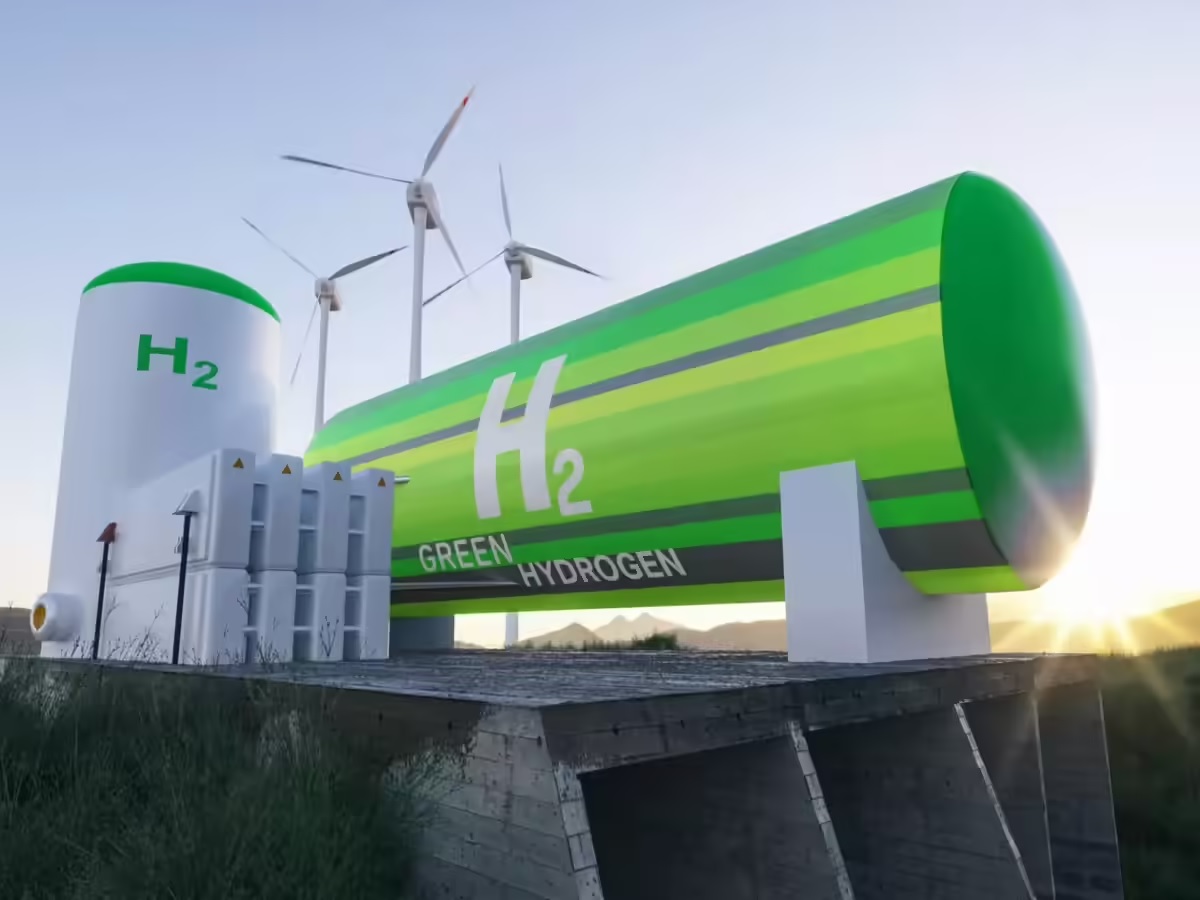
The transition to sustainable energy has progressed from conceptual frameworks to operational infrastructure on university campuses. At the forefront of this development stands the green hydrogen microgrid, an integrated system that harnesses renewable sources to produce, store, and dispatch hydrogen derived electricity with precision and zero emissions.
Operational Framework
A typical installation comprises photovoltaic or wind assets coupled to an electrolyzer unit of container-scale dimensions. Water undergoes electrolysis, yielding hydrogen that is compressed and retained in storage vessels. These vessels, sized comparably to standard campus transport vehicles, ensure multi-day autonomy. Fuel cells subsequently convert stored hydrogen back to electrical power, generating only water as a byproduct.
Performance metrics from deployed systems demonstrate practical efficacy. Midday surplus from solar arrays can generate 400 kilograms of hydrogen within a single afternoon sufficient to sustain essential laboratory functions during prolonged inclement weather. Embedded instrumentation delivers continuous data streams, enabling rigorous experimental validation. The system’s modular design allows for phased expansion, permitting universities to begin with pilot-scale units and scale capacity in alignment with research funding and campus growth. Furthermore, integration with existing building management systems ensures seamless coordination between hydrogen production and real-time energy demand profiles of a green hydrogen microgrid.
Advancing Scientific Inquiry
Direct access to functioning hardware accelerates research cycles. The platform fosters interdisciplinary convergence. Materials scientists optimize membrane durability, computer engineers refine predictive algorithms for storage dynamics, and economists model cost structures across campus districts. The microgrid serves as a unifying experimental asset. Recent collaborations between chemical engineering and environmental policy departments have produced comprehensive lifecycle assessments, quantifying carbon abatement at 1.8 tons per megawatt-hour of hydrogen generated electricity. Such studies provide evidence based justification for institutional investment and inform national energy policy frameworks.
Educational Integration
Curriculum now incorporates live system engagement. Students interact directly with a green hydrogen microgrid, moving beyond simulation software to hands-on operation and optimization. Graduate programs in sustainable systems engineering require capstone projects that involve redesigning microgrid control logic, with several designs now under consideration for commercial licensing.
Barriers and Strategic Responses
Initial capital outlay for electrolyzers remains substantial, and hydrogen containment requires exacting standards. However, component costs have decreased 50% over the past decade, supported by expanding grant programs. Safety certification demands one additional training module, offset by long-term operational stability. Public-private partnerships have emerged as a critical mechanism, with industry sponsors providing equipment in exchange for access to performance data and co-authorship on resulting publications.
Emerging Applications
Future configurations may link adjacent campuses through digital platforms. Surplus hydrogen from one institution could be credited to another in real time, creating inter-university energy networks. Universities are already prototyping the underlying protocols. Blockchain enabled energy certificates are being tested to ensure transparent accounting of hydrogen transfers, while standardized application programming interfaces facilitate interoperability across diverse control systems. Long-term visions include regional hydrogen valleys anchored by university hubs, supplying clean fuel to municipal fleets and adjacent industrial parks.
Conclusion
The green hydrogen microgrid has evolved from prototype to core infrastructure within university energy laboratories. It generates power, produces scholarly output, and equips students with expertise for future grid systems. As technological maturity converges with supportive policy environments, these installations will transition from experimental assets to foundational elements of institutional energy strategy. As deployment costs continue to decline, these installations will define the standard for campus-scale renewable integration.