


Hiring a fitness trainer Singapore today looks very different compared to a decade ago. While traditional coaching relied on observation and manual adjustments, technology now plays a central role in how trainers assess, design, and deliver fitness programmes. Wearables, artificial intelligence (AI), and smart devices provide valuable data that improves accuracy and enhances client outcomes. For many Singaporeans who balance long work hours with busy lifestyles, these tools make training more personalised, efficient, and sustainable.
The integration of technology into personal training is not a passing trend. It reflects a fundamental shift in how fitness professionals work with clients, making data-driven decisions that lead to measurable progress. Trainers in Singapore are increasingly adopting digital platforms to complement their expertise, allowing them to support clients both inside and outside the gym.
Why Technology Matters in Modern Personal Training
The demand for results has never been higher. Clients want faster, safer, and more customised outcomes. Technology provides trainers with insights that cannot be obtained through observation alone. For example:
-
Heart rate monitors track exertion levels in real time.
-
Wearables measure sleep quality and recovery.
-
Apps record workout history and performance trends.
This data allows trainers to design smarter programmes, prevent injuries, and adjust training intensity to suit individual needs.
The Role of Wearables in Training
Wearable technology has become mainstream in Singapore. Devices such as fitness watches, smart rings, and heart rate monitors are now common among both recreational exercisers and athletes. Trainers use wearable data to gain insights into:
-
Heart rate zones: Ensuring clients train at optimal intensities.
-
Calorie expenditure: Monitoring daily activity beyond the gym.
-
Sleep tracking: Linking rest quality to workout readiness.
-
Recovery indicators: Identifying when to push harder or pull back.
By analysing these metrics, trainers can personalise programmes to match energy levels and reduce the risk of overtraining.
AI and Smart Coaching Platforms
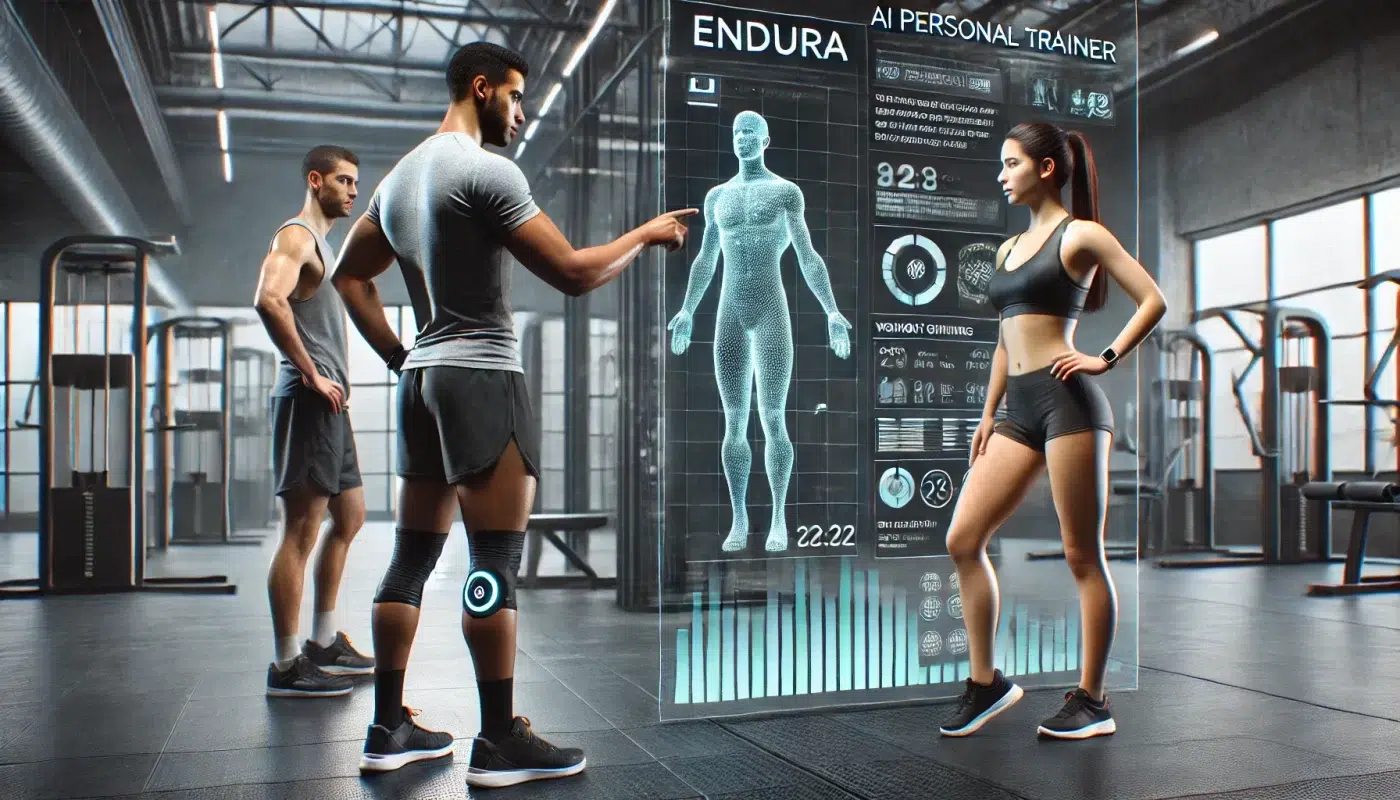
Artificial intelligence has opened new possibilities in fitness. AI-powered platforms analyse large amounts of data to create adaptive workout plans. For trainers in Singapore, this means:
-
Automated adjustments to client routines based on progress.
-
Predictive insights into performance plateaus.
-
Personalised nutrition suggestions integrated with exercise data.
While AI cannot replace the human connection of coaching, it enhances the trainer’s ability to make evidence-based decisions. Many trainers now use hybrid models where AI tracks progress, and human expertise interprets the data to provide motivation and accountability.
Video Analysis and Biomechanics
Technology is also reshaping how trainers analyse movement. Video tools allow slow-motion playback and biomechanical assessments. This helps trainers correct form more precisely and identify potential injury risks. For clients in Singapore who may train remotely, video feedback bridges the gap between in-person and virtual coaching.
Smart Equipment in Singapore Gyms
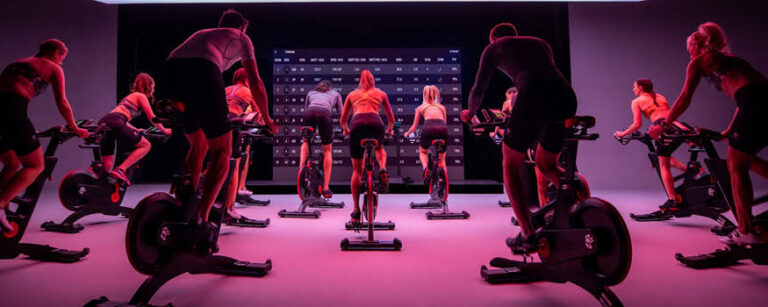
Beyond wearables, smart gym equipment has gained popularity. Machines equipped with sensors can automatically adjust resistance, record repetitions, and track improvements. Some even connect to apps for seamless progress tracking. Trainers benefit from this integration by having reliable data on client performance without manual recording.
Examples include:
-
Smart treadmills that monitor stride length and heart rate.
-
Resistance machines with digital feedback on range of motion.
-
Connected weightlifting platforms that measure bar speed and power.
These innovations make training more engaging and provide immediate feedback for both trainers and clients.
Benefits of Technology for Clients
Personalised Programmes
Data-driven insights mean clients receive training plans tailored to their exact needs, rather than generic routines.
Increased Motivation
Apps, leaderboards, and progress charts provide visual reinforcement of achievements, which keeps motivation high.
Better Accountability
Trainers can monitor client activity outside the gym, ensuring adherence to fitness goals.
Injury Prevention
By tracking recovery metrics, trainers know when to reduce intensity, lowering the risk of overuse injuries.
Flexible Training Options
Technology enables remote sessions, app-based workouts, and hybrid programmes, giving clients greater flexibility.
Challenges of Tech Integration
While technology offers many advantages, it also comes with challenges:
-
Data overload: Too much information can overwhelm both trainers and clients.
-
Accuracy issues: Not all wearables provide perfectly reliable data.
-
Privacy concerns: Sensitive health information must be handled responsibly.
-
Dependence: Some clients may become overly reliant on gadgets rather than learning to listen to their bodies.
Trainers in Singapore must balance technology with human judgment, ensuring that data supports but does not dominate the training process.
The Future of Personal Training in Singapore
The future points toward greater integration of technology. Trends likely to grow include:
-
AI-driven coaching assistants that provide real-time feedback.
-
Virtual reality fitness for immersive training sessions.
-
Corporate wellness tech platforms where companies track employee activity.
-
Advanced recovery tools like smart massage devices and infrared monitoring.
Singapore, being highly tech-savvy, is well-positioned to lead in this evolution. Trainers who adapt quickly will not only stay relevant but also elevate the standards of personal training in the region.
The Role of True Fitness in Supporting Smart Training
Facilities such as True Fitness Singapore are already incorporating technology to create smarter training environments. By offering trainers access to modern equipment, digital tracking, and professional spaces, they allow clients to experience the benefits of both human expertise and data-driven coaching. This combination is shaping the future of fitness, where technology enhances rather than replaces personal training.
FAQs About Technology in Personal Training
Q. Do I need to buy a wearable device to work with a trainer in Singapore?
A. Not always. While wearables enhance data tracking, many trainers design effective programmes without them. If you already own a device, sharing the data with your trainer can improve personalisation.
Q. How reliable are wearable devices for tracking fitness progress?
A. Most modern wearables are accurate for general metrics like steps, heart rate, and sleep. However, they may not be perfect for advanced measurements such as calorie burn. Trainers usually interpret the data in context rather than relying on it blindly.
Q. Can AI completely replace a human trainer?
A. No. AI provides data and automated recommendations, but human trainers offer motivation, emotional support, and real-time adjustments that technology cannot replicate. The most effective approach combines both.
Q. Are there risks to sharing health data with apps and trainers?
A. Privacy is an important concern. Always use trusted apps with clear security policies, and work with trainers who handle your data responsibly. Ask how your information will be stored and used.
Q. What is the cost impact of technology-enhanced training?
A. Some trainers charge slightly higher fees for tech-based programmes due to the use of specialised platforms or equipment. However, the added personalisation and efficiency often justify the investment.