

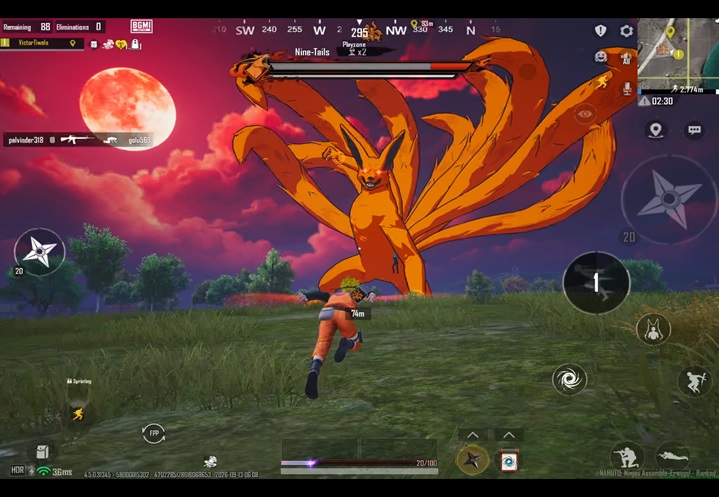
One of the things that makes mission-based games stand out is their ability to balance both challenges and accessibility.
Challenges refer to obstacles or difficulties that make the mission games more competitive, while accessibility involves elements that ensure everyone can play without any restrictions. As a gamer yourself, you might be wondering how they ensure both these aspects. Let us discuss the same in this blog.
How Do Gun Games Ensure Accessibility?
Common Control Setup
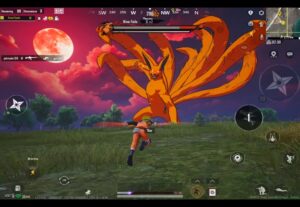
Many gun games have a common control setup or layout. They have two buttons for shooting or firing the weapon located on either side in the lower part of the screen. Apart from that, they have one button each for the following actions:
- A melee attack
- Throwing grenades or incendiary weapons
- Opening building or vehicle doors
- Jumping
- Looking out left or right from a hiding position
- Vaulting or climbing over a wall
- Reviving or carrying a teammate
Each of these buttons is located near the weapon tray, making them easy to see or access. Some games allow you to customise the layout if you want to, which ensures that everyone can have a great experience.
Feedback Loop
The feedback loop is an important part of accessibility. It allows players to understand the results of their actions. For example, you receive visual, auditory, and touch-based feedback upon defeating an opponent with your weapon in games like BGMI.
The visual feedback is in the form of deep green smoke, while the audio-based feedback is that of a sharp metallic sound. Similarly, the touch-based feedback is in the form of vibrations.
Moreover, in some other games, players can expect announcements of points or other data. This happens when they are playing competitive team-vs-team matches.
How Do Gun Games Promise Challenges?
Skill-based and Tactical Gameplay
Many mission games require you to use your skills and demonstrate tactical awareness to win matches. These games often have different tiers, wherein the difficult levels rise with each tier you progress into.
For example, in BGMI, you come across professional players in the Crown tier. You can defeat these players through bold tactics, high-level team coordination, and usage of all your weapons.
Expansive Map with Different Zones
Many gun games today have vast, expansive maps with realistic graphics and different zones. The size of these maps makes predicting exact opponent positions slightly difficult, while moving across these maps requires high tactical awareness.
For example, some common map zones include high-opponent-density zones, high-resource zones, and low-resource and low-opponent-density zones. While detailed map knowledge can give you an idea of where your opponents might be, you won’t be able to pinpoint their exact location.
The only way to find out is by approaching the area, which may lead to a trap or early defeat.
Conclusion
Popular gun games today use a combination of game design, feedback loops, hit registration, common control setups and skill-based success requirements. All these elements make gameplay engaging and accessible.
But that’s not all. Some other elements these games commonly include are in-game mechanics like shrinking play zones, meteor showers, and airdrops. These elements increase the challenges associated with each game and add to the competitiveness.