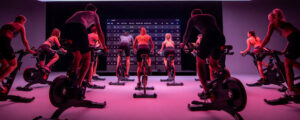

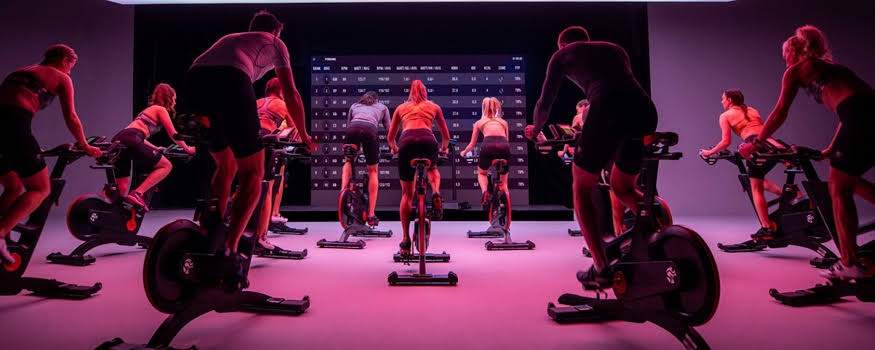
A real-time leaderboard can make cycling engaging by displaying cadence, power, points or rank. In spinning classes, these systems measure selected outputs, but they cannot show the full quality of a rider’s technique, setup, recovery or personal effort.
Leaderboards are most useful when participants understand what creates the score and what remains invisible. A higher position is not automatically evidence of a more productive workout.
The Metric Determines the Result
A leaderboard based on watts rewards mechanical power. One based on cadence rewards pedal speed, while a points system may combine several measures.
Participants should know what the system values. A rider can rank highly in cadence while using very low resistance.
Without understanding the metric, the competition can encourage behaviour unrelated to the track’s purpose.
Power Is Influenced by Body Size
Larger riders can often produce greater absolute power because they have more total mass and potentially more muscle. Comparing raw watts may therefore favour certain body types.
Relative power calculations can adjust for body weight, but these introduce their own limitations. The class may not have accurate or current weight information.
Neither measure should be treated as a complete ranking of fitness.
Bike Calibration Affects Comparisons
Two bikes can report different values for similar physical efforts if their sensors or resistance systems are not calibrated consistently.
A rider may appear to improve by changing bikes. Another may fall in rank despite producing the same effort.
Leaderboards require maintenance and calibration to support meaningful comparisons.
Cadence Can Be Manipulated by Low Resistance
High cadence is easy to display when the flywheel meets little resistance. The rider may pedal quickly without producing substantial output.
This can lead to bouncing and reduced control. A cadence-focused system should not encourage speed without enough resistance.
Technique must remain the final standard.
Leaderboards Cannot See Movement Quality
The screen does not know whether the rider is rocking, gripping excessively or using an unsuitable bike setup. It records output, not how that output was created.
A technically poor effort can rank highly. A controlled rider following a personal modification may rank lower while receiving a more appropriate training dose.
Instructor observation remains essential.
Personal Effort Is Not Fully Represented
Two riders producing the same watts may be working at very different percentages of their capacity. Training history, sleep and recent exercise influence the effort required.
The leaderboard shows external output. It does not show how difficult that output is for the individual.
Perceived exertion and heart-rate response can add context, though they also have limitations.
Track Goals Can Conflict With Ranking
A recovery track should reduce effort, but a competitive rider may maintain high output to protect a position. This undermines the class structure.
A sprint track may focus on controlled cadence, while the leaderboard rewards heavy resistance and higher watts. Riders may change the intended stimulus to score more points.
The instructor should explain which metric matters for each section.
Competition Can Improve Engagement
Leaderboards can motivate riders to maintain effort and return regularly. They provide immediate feedback and a sense of shared challenge.
The benefit depends on how participants interpret the information. Competing with a previous personal score may be more useful than chasing another rider.
Personal trends reduce the influence of body size and training history.
Competition Can Also Increase Anxiety
Some members dislike public ranking or feel discouraged by consistently low positions. This can reduce enjoyment and retention.
Facilities should provide options to participate without making the leaderboard the centre of the experience. Display names and privacy settings also deserve careful handling.
Motivation should not require unwanted public comparison.
Data Quality Needs Operational Support
Displays, sensors and software must work reliably. Frozen values or missing riders create frustration.
Bikes should be maintained and data systems checked before class. Members also need clear instructions on login and measurement.
At True Fitness Singapore, bike metrics can complement instructor-led training when riders use them as feedback rather than absolute judgement.
Use the Board for Personal Pacing
A rider can monitor whether power declines across repeated intervals or whether cadence remains controlled at a chosen resistance.
This makes the screen a pacing tool. The rider learns how to start conservatively and maintain output.
Comparison with previous sessions on similar bikes and tracks is often more informative than one class rank.
The Leaderboard Is a Partial View
Real-time systems measure what their sensors can detect. They may capture speed, power or points, but they miss setup quality, movement control, pain, recovery and the reason for a modification.
Riders should use the information alongside instructor cues and personal feedback. The best session is not always the one that produces the highest rank.
A leaderboard adds value when it encourages purposeful effort without replacing judgement about how that effort is performed.