


The rise of fitness technology has reshaped how people exercise, track progress, and achieve goals. From step counters to AI-driven health apps, technology has become a natural extension of personal wellness. Interestingly, this digital shift is now entering the world of yoga, particularly hot yoga. Practised in heated rooms, hot yoga combines the ancient discipline of yoga with a modern twist: wearable devices and artificial intelligence that measure performance, hydration, and recovery.
In Singapore, where both technology adoption and interest in wellness are high, this combination is becoming a powerful trend. Practitioners are no longer limited to self-reflection alone. They can now analyse data from heart rate monitors, smart mats, or AI-driven apps to better understand how their body responds to heat, sweat, and posture.
How Technology Complements Hot Yoga
Traditionally, yoga has been practised as a mindful art without external tools. However, hot yoga presents unique challenges such as hydration, endurance, and cardiovascular strain. Technology can bridge the gap between intuition and science by providing measurable insights:
-
Heart rate monitoring: Wearables show how the cardiovascular system responds to heat and movement.
-
Calorie burn tracking: Data highlights the energy demands of hot yoga sessions.
-
Hydration alerts: Some devices detect dehydration levels and prompt users to drink water.
-
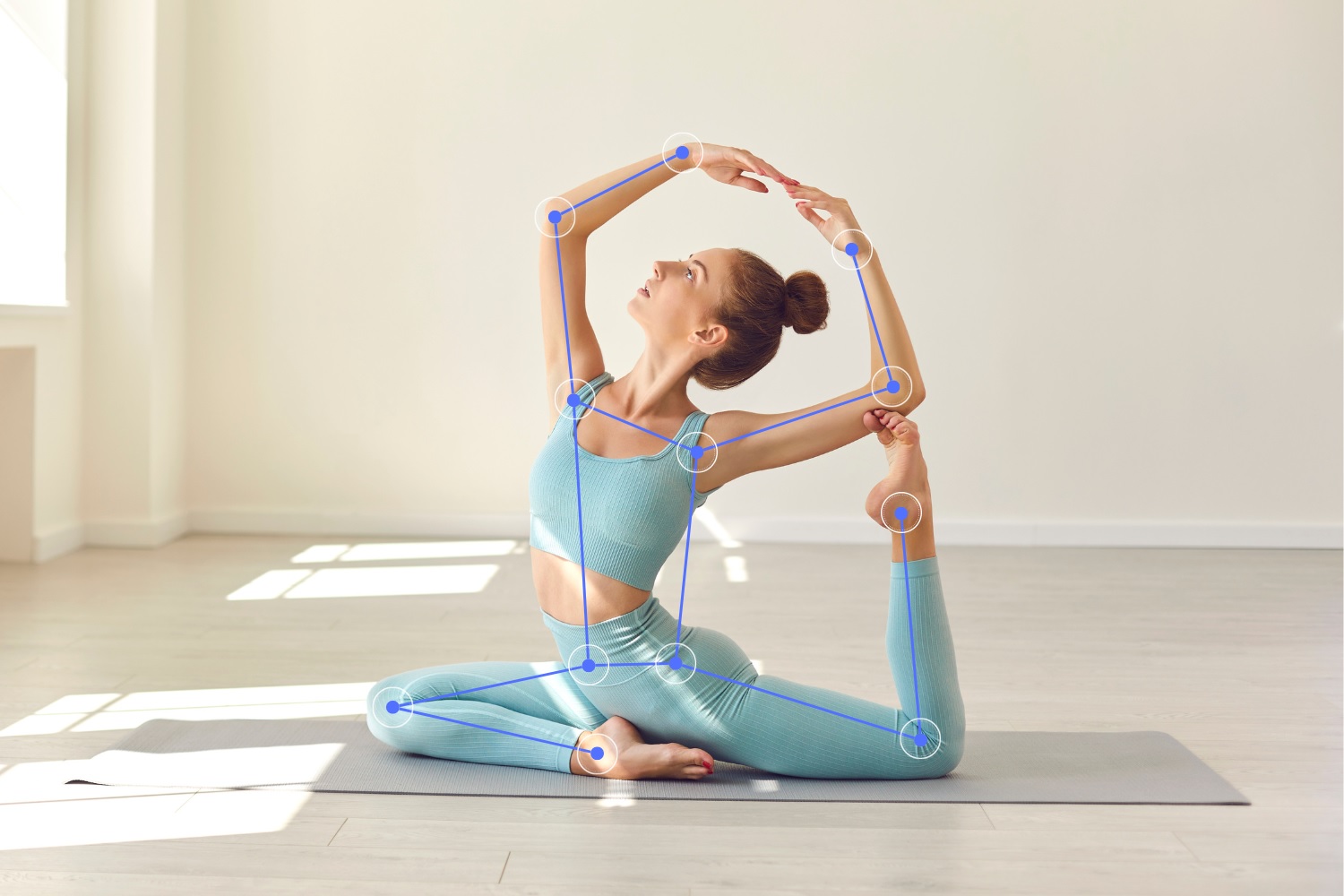
Posture correction: Smart mats and AI-powered cameras guide alignment in real time.
These insights allow practitioners to combine the traditional self-awareness of yoga with modern precision.
Wearable Devices in Hot Yoga
Wearable technology has advanced rapidly, offering devices that withstand sweat, heat, and movement. Common examples used in hot yoga include:
-
Fitness trackers and smartwatches: Popular for tracking heart rate, oxygen saturation, and calories burned.
-
Smart clothing: Yoga leggings or tops embedded with sensors that measure muscle engagement.
-
Smart mats: Mats that connect with apps to provide feedback on weight distribution and balance.
-
Hydration sensors: Devices that assess electrolyte loss through sweat analysis.
For hot yoga practitioners in Singapore, these tools provide personalised feedback to improve practice safely and effectively.
AI Tracking and Data Insights
Artificial intelligence has moved beyond step counting into more sophisticated analysis. In hot yoga, AI can:
-
Analyse posture: Using smartphone cameras or studio systems, AI identifies misalignments and suggests corrections.
-
Predict recovery needs: By evaluating heart rate variability and hydration, AI suggests rest periods or nutrition tips.
-
Personalise routines: AI-driven apps recommend sequences based on fitness goals, stress levels, or past performance.
-
Detect potential strain: Alerts help users avoid overstretching or injury, especially in heated conditions.
This digital support acts as a virtual coach, guiding practitioners even when an instructor is not present.
Benefits of Combining Hot Yoga and Technology
The marriage of tech and tradition creates several advantages:
-
Enhanced safety: Monitoring heart rate and hydration reduces risks in heated environments.
-
Deeper self-awareness: Data confirms what the body feels, reinforcing mindfulness with evidence.
-
Motivation and consistency: Progress tracking encourages regular practice.
-
Tailored improvements: AI identifies weak areas, whether flexibility, strength, or endurance.
For busy Singaporeans who value efficiency, this integration helps maximise results in limited time.
Challenges and Considerations
Despite the advantages, there are challenges to consider:
-
Over-reliance on data: Yoga emphasises inner awareness, so technology should enhance, not replace, mindfulness.
-
Accuracy in heat: Some devices may give inconsistent readings in very sweaty conditions.
-
Privacy of health data: Users should be mindful of how their information is stored and shared.
Balancing mindful practice with technological insights ensures that the essence of yoga is preserved.
Real-Life Applications in Singapore
Singapore’s tech-savvy population is well-positioned to embrace this blend of yoga and technology. Examples include:
-
Professionals using wearable trackers to monitor stress and recovery after long workdays.
-
Athletes adopting AI-driven posture correction to prevent injuries during cross-training.
-
Seniors using heart rate monitors for safe participation in hot yoga classes.
With studios and individuals increasingly exploring this synergy, the practice of yoga is evolving to meet the demands of a digital world.
The Future of Hot Yoga and Technology
Looking ahead, more advanced innovations are likely to emerge:
-
AI-powered virtual instructors offering personalised guidance via smart glasses or apps.
-
Smart studios that automatically adjust temperature and humidity based on biometric feedback.
-
Integrated health ecosystems where data from hot yoga sessions sync with medical and wellness apps for holistic monitoring.
These developments may make hot yoga in Singapore even more accessible, safe, and effective.
Maintaining the Balance Between Tech and Tradition
While technology provides valuable tools, it is important to remember that yoga’s foundation lies in mindfulness and self-discovery. Wearables and AI should support, not overshadow, the mental and spiritual aspects of practice. A mindful balance ensures practitioners enjoy both measurable progress and deeper inner growth.
Why Studio Choice Still Matters
Even with the latest technology, experienced instructors and supportive environments remain vital. A trusted studio ensures safe alignment, community support, and structured learning. At Yoga Edition, practitioners can combine traditional hot yoga practices with modern awareness, creating a well-rounded experience.
FAQs on Wearables and AI in Hot Yoga
Q. Can I wear a smartwatch in a hot yoga class?
Yes, most modern smartwatches are sweat- and heat-resistant. However, ensure the strap is secure and the device is suitable for high humidity.
Q. Do AI posture apps replace the need for instructors?
No. AI can provide guidance, but instructors offer personalised feedback, adjustments, and emotional support that technology cannot fully replicate.
Q. Is data tracking distracting during practice?
It can be if overused. The best approach is to review data after class while staying mindful during the session itself.
Q. Can hot yoga apps personalise routines effectively?
Yes, many AI-powered apps adapt sequences based on your body data. However, human awareness of limits remains essential.
Q. Are hydration sensors accurate in hot yoga?
They provide useful estimates, but they are not perfect. It is still important to listen to your body and follow hydration guidelines.