


Controlio software excels at managing employees’ time with a mix of solid tracking and deeper monitoring layers. Many teams compare it directly to Time Doctor when they need visibility that goes beyond basic logs. managing employees’ time becomes more useful when you see idle patterns and security risks in real time. Time Doctor sticks closer to hours, projects, and AI scores.
The difference hits you in daily use. One tool adds security and deployment choices. The other keeps things simple for distributed teams.
Main differences between Controlio and Time Doctor
Controlio brings screen recording triggered by rules, keystroke logs, email checks, and behavior analytics that catch odd patterns. It runs on your own servers or private cloud when data rules demand it. Teams with compliance needs or sensitive client files lean on this setup.
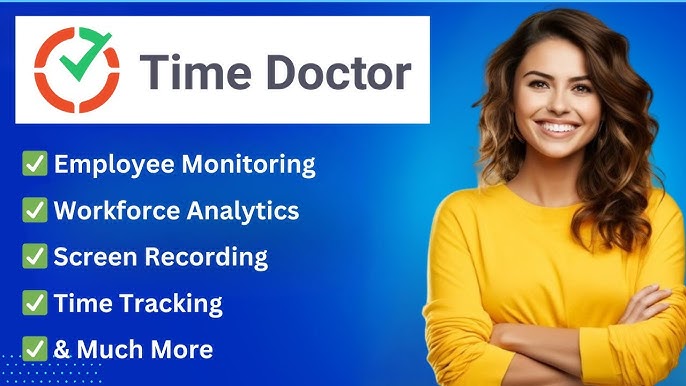
Time Doctor focuses on automatic hour capture, project sorting, and AI benchmarks that stack your team against peers. It flags work-life imbalance and meeting bloat. You get visibility without the heavier security overhead.
One side covers the full picture. The other stays light and fast to deploy.
Feature comparison
Here is how the tools stack up on key capabilities.
| Feature | Controlio | Time Doctor |
| Automated time tracking | Yes | Yes |
| Idle time and productivity scores | Yes | Yes (plus AI benchmarks) |
| Screen recording | Yes, rule-based | Yes |
| App and website monitoring | Yes | Yes |
| Email and communication tracking | Yes | Limited |
| Keystroke logging | Yes | No |
| Data loss prevention and behavior analytics | Yes | No |
| On-premise or private cloud deployment | Yes | No |
| Custom rules and alerts | Yes | Basic |
Rule-based recording in Controlio lets you trigger on specific events like certain apps opening. This keeps the volume manageable while still grabbing proof when it counts. Time doctor records on fixed intervals in most plans.
Controlio in practice
Controlio handles attendance, breaks, overtime, and billable hours on autopilot. Managers pull live views or past playback. Analytics score active work against distractions and point out workflow bottlenecks.
Agencies and law firms trimmed payroll admin time after they started using the reports. One firm handled twice the clients without extra hires once they fixed where hours leaked into low-value work. Outcomes depend on follow-through.
You define the triggers. Record only when file sizes spike or sensitive apps open. The security side spots risky moves like unusual transfers or private email use. Regulated teams rely on this once audits or incidents hit.
Deployment on your servers avoids cloud headaches for strict industries. That option proves useful for larger setups or government-adjacent work.
Time Doctor in practice
Time Doctor logs hours automatically or lets people enter them manually. It breaks down time by apps, sites, and tasks. AI benchmarks show how your output compares to similar teams.
Work-life signals catch overload early. Meeting breakdowns reveal time sinks in calls. The tool suits remote groups that want clear output views without extra complexity.
Smaller teams get going fast. They skip the rule setup and policy headaches that come with deeper monitoring.
Pricing and trial options
Time Doctor starts around $8 per user per month for basic plans. Higher tiers for advanced reports and AI features push closer to $20.
Controlio keeps pricing practical and scales with headcount or deployment type. The 14-day trial covers up to 10 users with full access. Pull exact quotes from their site since they adjust for your setup.
Picking between Controlio and Time Doctor
Start with your real pain points. Straight time logs and peer comparisons work fine for small remote crews tracking projects and balance. Time Doctor covers that ground cleanly.
Regulated fields or teams with client data need the extra layers. Controlio’s DLP tools, keystroke records, and on-prem choice fill gaps basic tracking leaves open. Rule-based recording gives evidence without filming everything.
A five-person startup might ignore the advanced alerts at first. A fifty-person hybrid legal team treats the DLP rules as essential come audit time. Some outfits begin light and bolt-on monitoring after a data scare or productivity dip. Others roll out full visibility and loosen rules once habits settle.
Test both with a small pilot group. Watch which dashboards your managers actually check daily. Data only pays off when it leads to concrete changes in workflows.
Final words
Controlio software gives teams time tracking plus monitoring depth and security controls. Time Doctor delivers reliable hours, task visibility, and AI insights without the full oversight package. Run trials on both. The right pick shows in the reports and alerts your team actually uses week after week.